
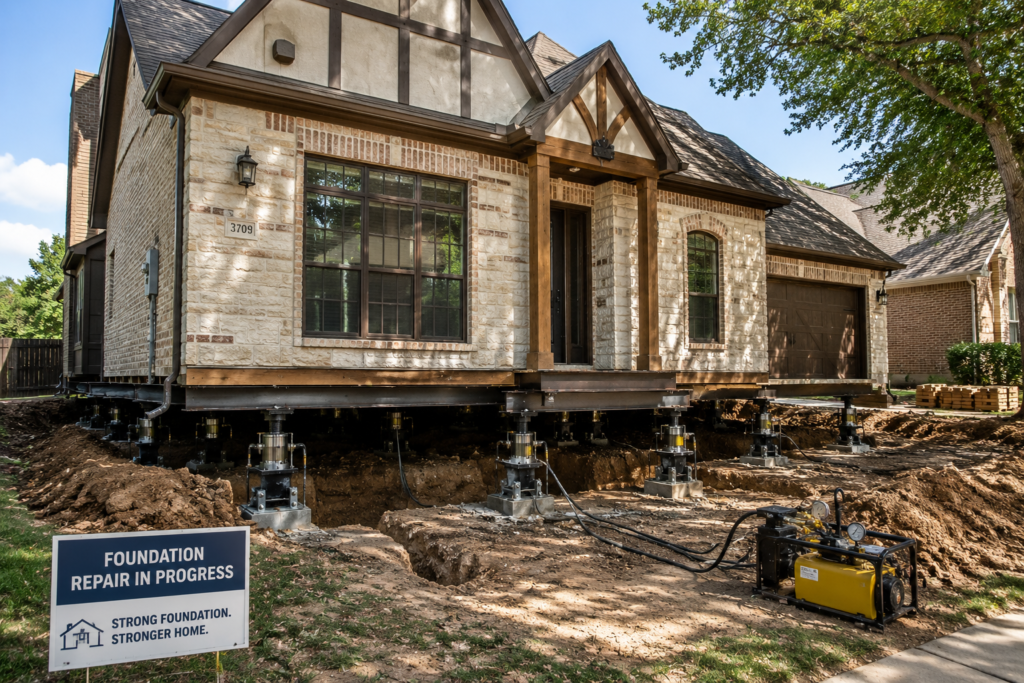
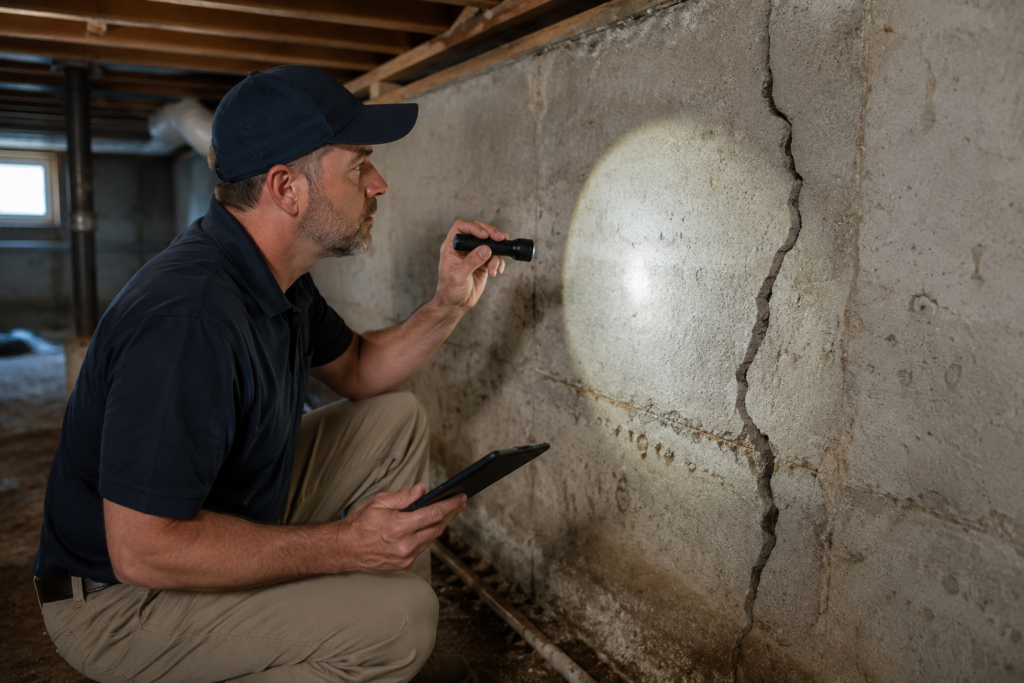
Foundation problems are one of the most significant concerns for homeowners throughout the Dallas–Fort Worth Metroplex. North Texas is well known for its expansive clay soils, which expand dramatically when wet and shrink during extended dry periods. This constant movement places stress on foundations, leading to cracks, uneven floors, sticking doors, and other structural concerns.
One of the first questions homeowners ask is, “How much does foundation repair cost in Dallas–Fort Worth?” The answer depends on several factors, including the type of foundation, the extent of damage, soil conditions, drainage, and the repair method recommended after an inspection.
Understanding these variables can help homeowners prepare for potential repairs while avoiding unnecessary work or misleading estimates. The best first step is always a professional foundation inspection to determine the true cause of movement before considering repair options.
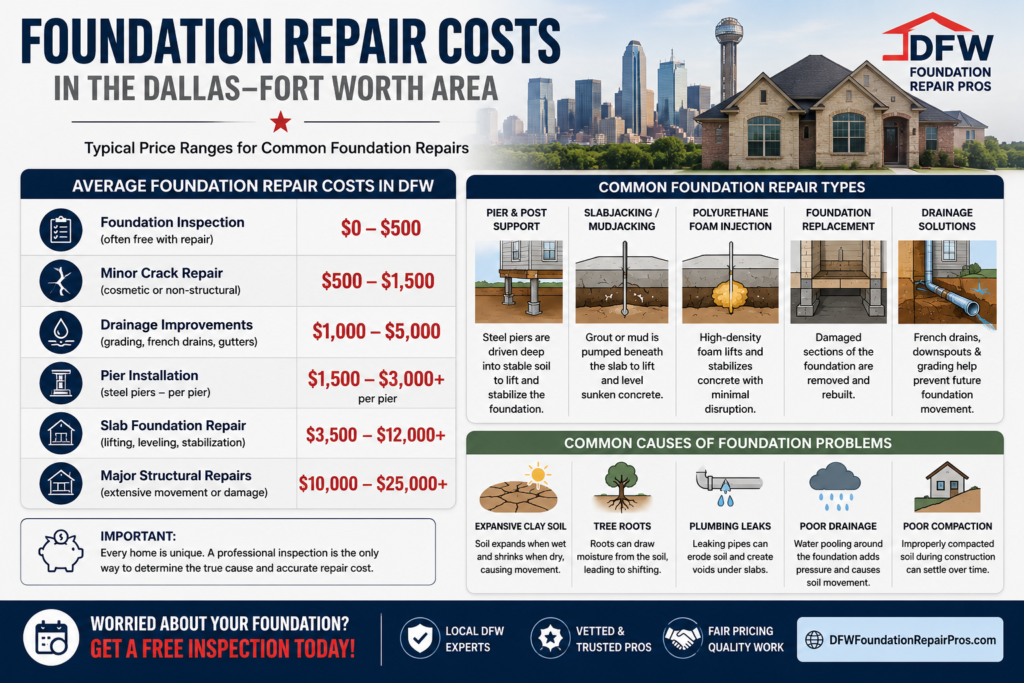
Foundation repair costs vary widely because no two homes or foundation problems are exactly alike. While every property requires an individual evaluation, homeowners can generally expect the following price ranges.
Average Foundation Repair Costs in Dallas–Fort Worth
Foundation repair costs vary widely because no two homes or foundation problems are exactly alike. While every property requires an individual evaluation, homeowners can generally expect the following price ranges.
| Repair Type | Typical Cost Range |
|---|---|
| Foundation Inspection | Often Free |
| Minor Crack Repair | $500 – $1,500 |
| Drainage Improvements | $1,000 – $5,000 |
| Pier Installation | $1,500 – $3,000 per pier |
| Slab Foundation Repair | $3,500 – $12,000+ |
| Major Structural Repairs | $10,000 – $25,000+ |
These figures represent general industry estimates throughout North Texas. Actual costs depend on engineering requirements, accessibility, foundation type, and the number of supports required.
What Factors Affect Foundation Repair Costs?
Several variables influence the total cost of repairing a foundation.
Extent of Foundation Movement
Small settlement issues may require only a few piers, while widespread movement affecting multiple sides of the home typically requires additional stabilization.
Type of Foundation
Different repair methods are used for:
Each foundation type presents different challenges and labor requirements.
Soil Conditions
North Texas contains highly expansive clay soils that shrink during drought and swell after heavy rainfall. These repeated cycles contribute to ongoing foundation movement and influence the repair approach.
Drainage Problems
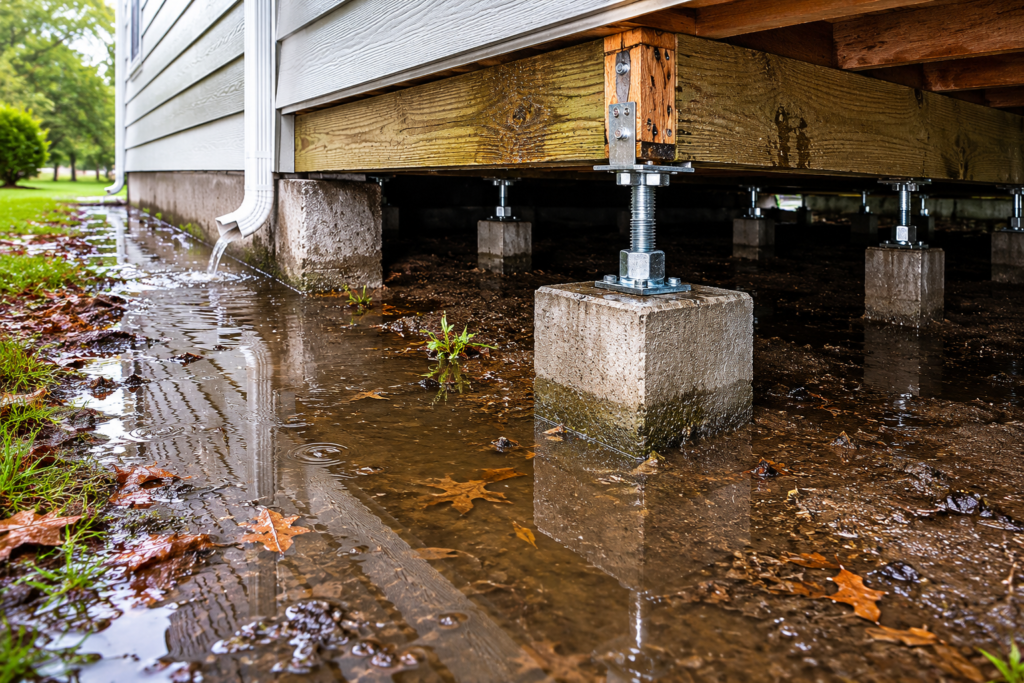
Poor drainage is one of the most common contributors to foundation damage. Water collecting near the foundation may require grading improvements, French drains, or surface drainage solutions before repairs can provide lasting results.
Accessibility
Homes with landscaping, concrete flatwork, swimming pools, or limited equipment access may require additional labor during repairs.
Signs Your Home May Need Foundation Repair
Many homeowners notice warning signs long before major structural damage occurs.
- Cracks in interior drywall
- Stair-step brick cracks
- Doors that stick or will not latch
- Windows difficult to open or close
- Uneven or sloping floors
- Separation around exterior trim
- Gaps between walls and ceilings
- Water intrusion after heavy rain
These symptoms do not always indicate major structural failure, but they should be evaluated by a qualified professional.
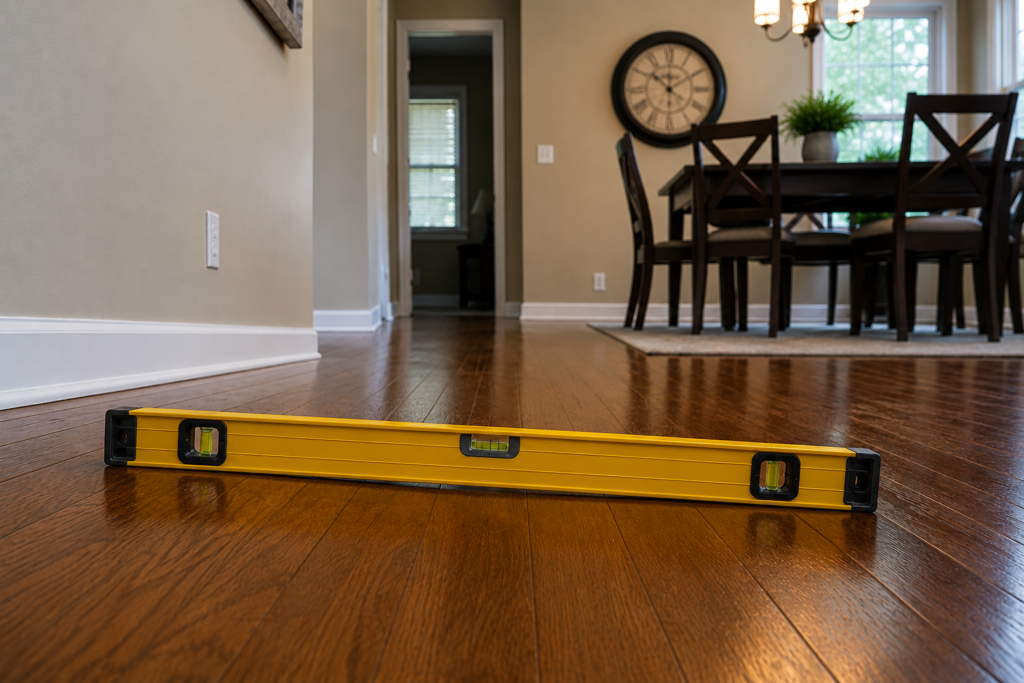
Why Foundation Problems Are Common in North Texas
The Dallas–Fort Worth area experiences unique environmental conditions that make foundation movement especially common.
Seasonal cycles of drought followed by heavy rainfall cause expansive clay soils to repeatedly expand and contract beneath homes. Over time, this movement creates uneven support beneath the foundation.
Other contributing factors include:
- Tree root moisture extraction
- Inadequate drainage
- Plumbing leaks beneath slabs
- Poor grading
- Improper soil compaction during construction
Early identification often results in less extensive repairs and lower overall costs.
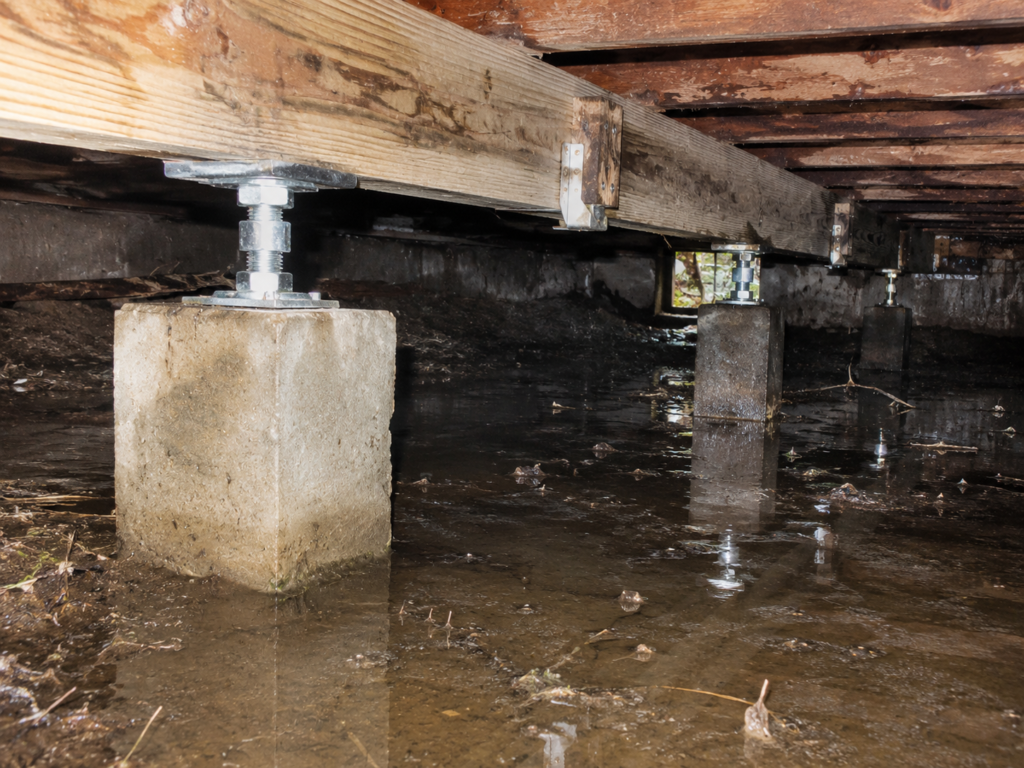
Can Foundation Problems Get Worse if Ignored?
Yes.
Minor settlement issues often become more significant over time.
Ignoring early warning signs may lead to:
- Larger structural cracks
- Increased repair costs
- Water intrusion
- Roofline distortion
- Plumbing problems
- Reduced home value
- Buyer concerns during resale
Addressing foundation concerns early can often prevent additional damage.
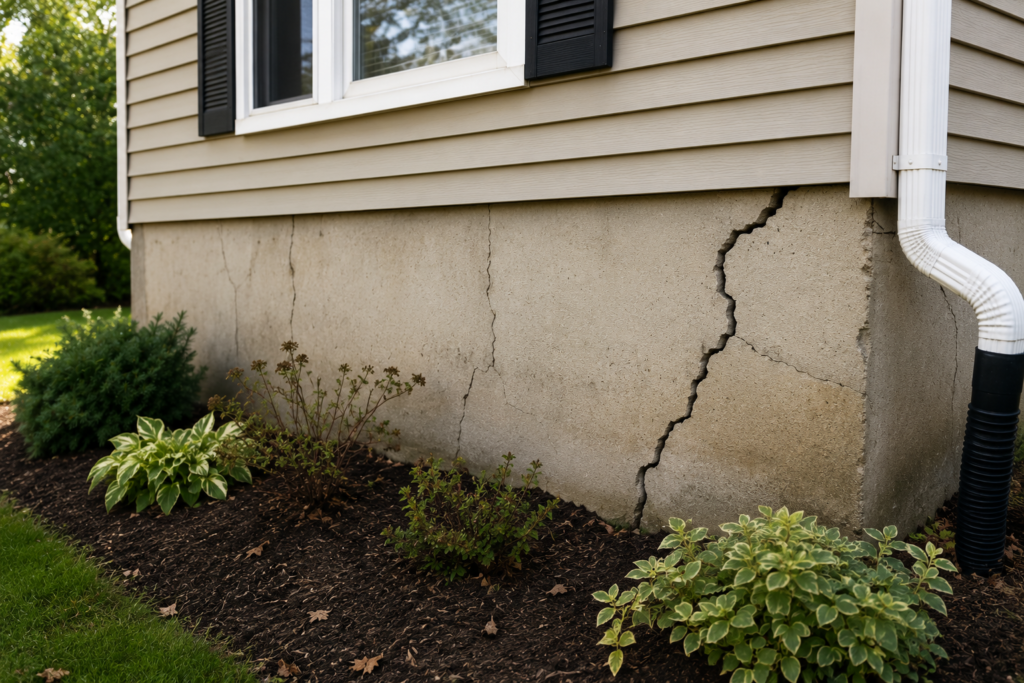
Does Homeowners Insurance Cover Foundation Repair?
Most homeowners insurance policies generally do not cover foundation damage caused by normal soil movement, settling, or expansive clay soils.
However, coverage may apply if foundation damage results from a covered event such as:
- Sudden plumbing leaks
- Certain natural disasters
- Vehicle impact
- Other covered causes outlined in the policy
Homeowners should review their individual policy or speak with their insurance provider regarding specific coverage.

How to Choose a Foundation Repair Contractor
Not every repair recommendation is the same.
Homeowners should consider contractors who offer:
- Thorough inspections
- Clear written estimates
- Warranty information
- Proper licensing where applicable
- Strong local reputation
- Experience with North Texas soil conditions
Obtaining multiple opinions can help homeowners better understand available repair options.