
Understanding Which Solution Your North Texas Home May Need
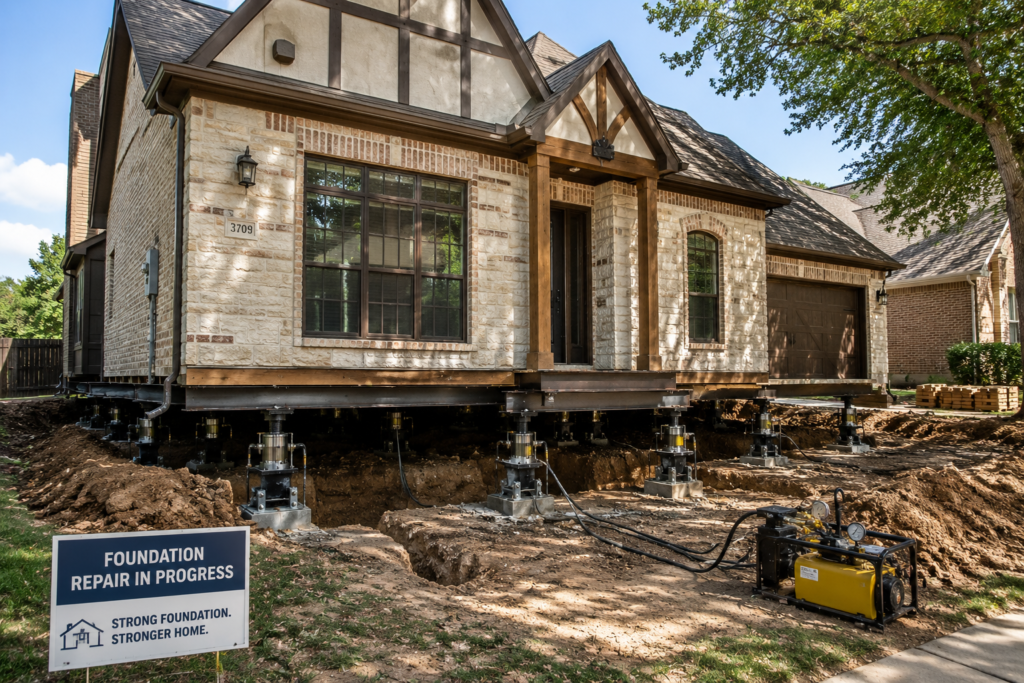
Homeowners throughout the Dallas–Fort Worth Metroplex often hear the terms house leveling and foundation repair used interchangeably. While they’re closely related, they are not always the same service.
Understanding the difference can help you make informed decisions if you’ve noticed foundation cracks, sticking doors, uneven floors, or other signs of structural movement.
What Is Foundation Repair?
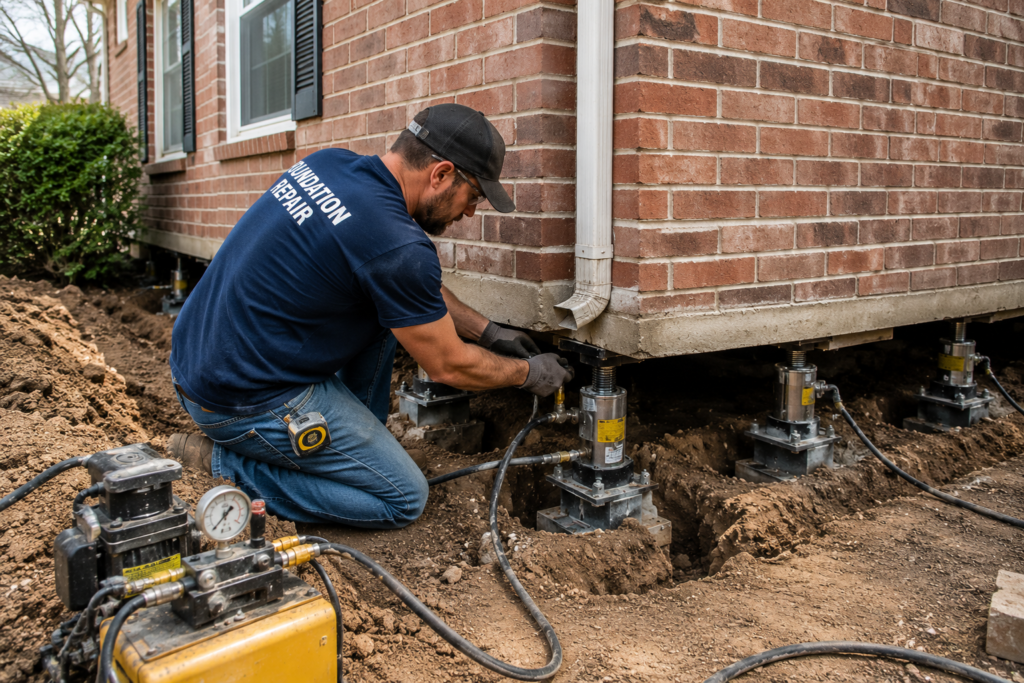
Foundation repair is a broad term that describes the methods used to stabilize or restore a home’s foundation after it has experienced movement or settlement.
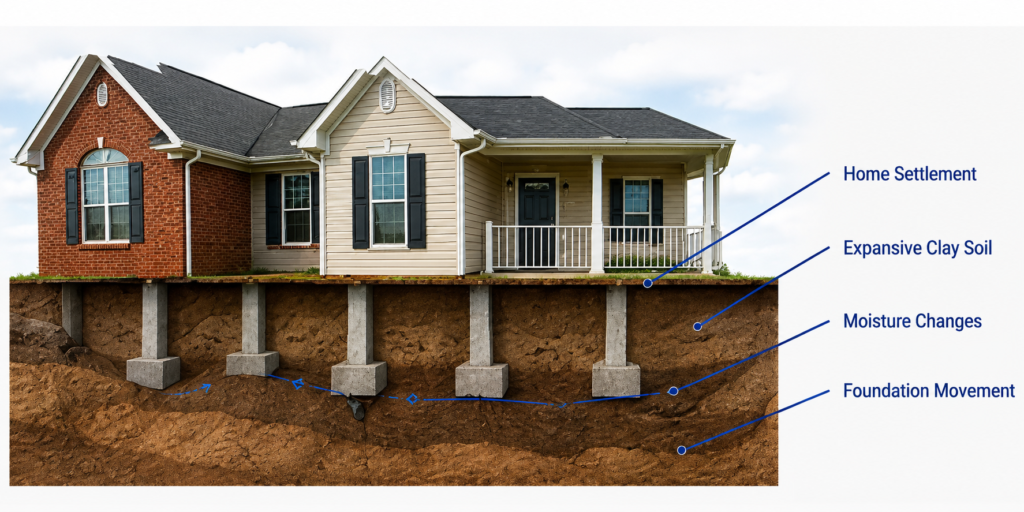
In North Texas, expansive clay soils are the leading cause of foundation problems. As the soil repeatedly expands during wet periods and shrinks during drought, foundations can shift over time.
Foundation repair may include:
- Steel pier installation
- Concrete pressed piers
- Helical piers
- Slab stabilization
- Void filling
- Drainage improvements
- Root barrier installation
- Moisture management recommendations
The primary goal is to stop further movement and restore structural stability.
What Is House Leveling?
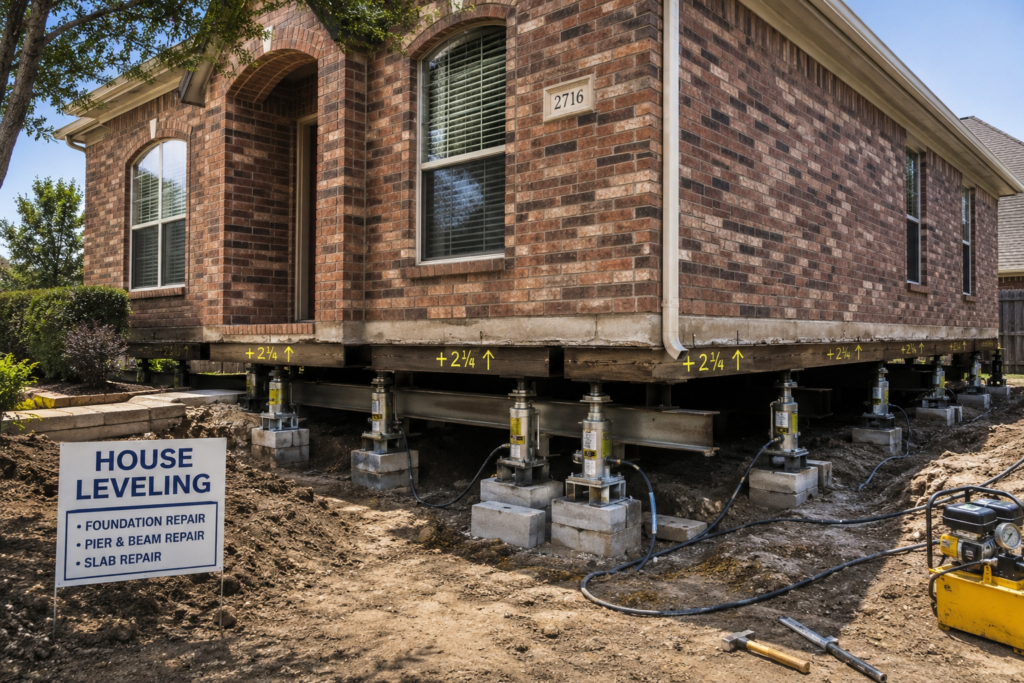
House leveling is one possible part of a foundation repair project.
Once the foundation has been stabilized with the appropriate support system, contractors may carefully lift portions of the home closer to their original elevation. This process is known as house leveling.
Not every foundation repair requires leveling.
Some homes are stabilized where they currently sit to minimize stress on the structure, while others can safely be raised to recover much of the settlement that has occurred.
The amount of leveling possible depends on several factors, including:
- Age of the home
- Amount of settlement
- Existing structural damage
- Plumbing conditions
- Brick and drywall cracking
- Engineer recommendations
Can Every House Be Returned to Perfectly Level?
Not always.
One of the biggest misconceptions homeowners have is believing every house can be restored to perfectly level conditions.
In reality, experienced contractors typically aim to recover as much elevation as safely possible without causing unnecessary stress to the home.
Attempting to force an older structure completely back to its original position can sometimes create additional cosmetic damage, including:
- Drywall cracks
- Brick cracking
- Window binding
- Plumbing stress
- Interior trim separation
For this reason, contractors often seek the best balance between structural performance and minimizing cosmetic damage.
Signs You May Need Foundation Repair
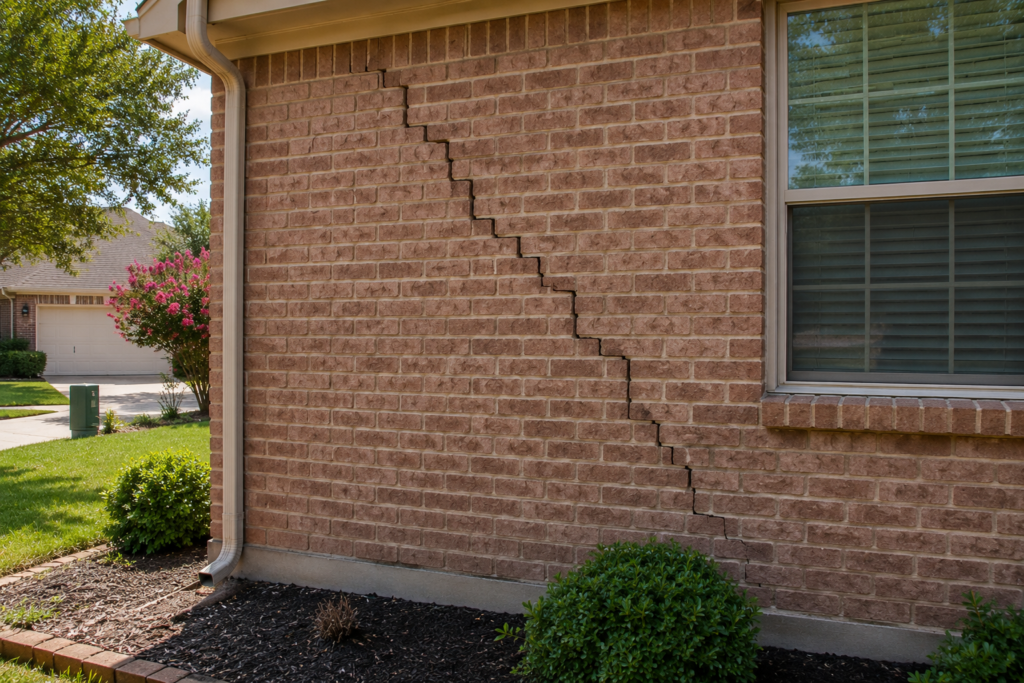
You may benefit from a professional foundation inspection if you notice:
- Stair-step brick cracks
- Interior drywall cracks
- Doors that won’t close properly
- Windows sticking
- Sloping floors
- Large gaps around doors or windows
- Exterior brick separation
- Cracks in concrete slabs
These symptoms don’t always require major repairs, but they should be evaluated before movement becomes worse.
How Contractors Determine the Correct Repair
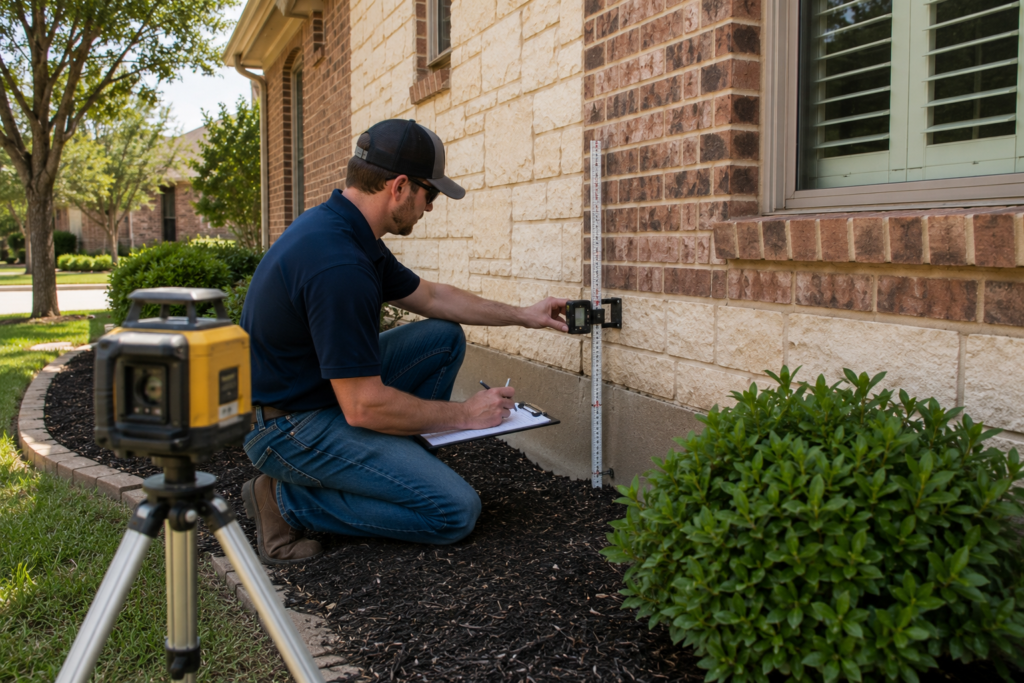
Professional foundation evaluations typically include:
- Elevation measurements using precision equipment
- Visual inspection of interior and exterior damage
- Soil and drainage assessment
- Review of landscaping and tree placement
- Discussion of seasonal movement history
Based on these findings, a contractor can recommend whether stabilization alone or stabilization combined with house leveling is the most appropriate solution.
Why North Texas Homes Experience More Foundation Movement
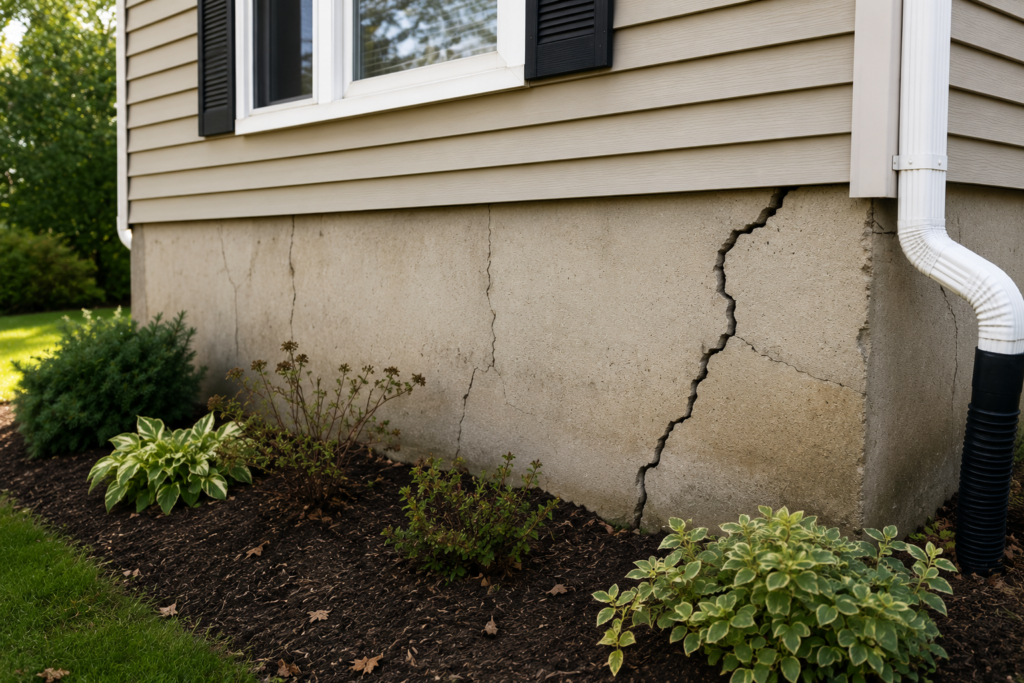
The Dallas–Fort Worth area contains highly expansive clay soils that naturally expand after heavy rainfall and shrink during prolonged dry weather.
These continuous moisture changes place stress on residential foundations year after year.
Homes with poor drainage, large mature trees, inadequate gutter systems, or inconsistent watering schedules may experience greater seasonal movement.
The Importance of Early Evaluation
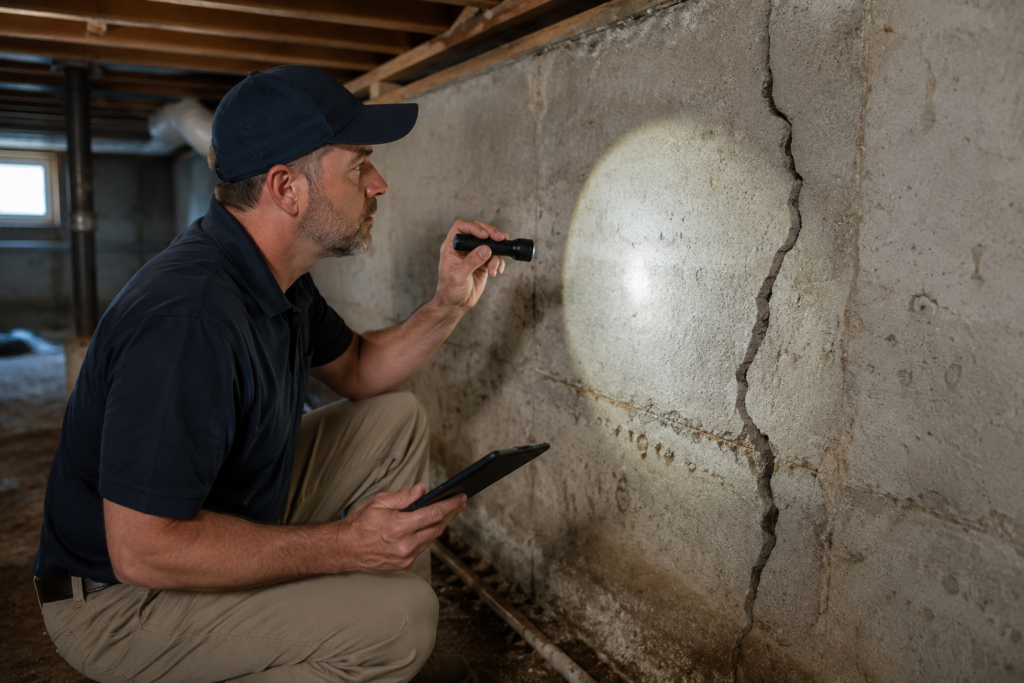
Foundation movement often begins gradually. Addressing problems early may help prevent additional settlement, reduce repair costs, and protect the long-term value of your home.
If you’ve noticed cracks, uneven floors, or sticking doors, scheduling a professional inspection can help determine whether simple monitoring, foundation repair, or house leveling is appropriate. DFW Foundation Repair Pros | Compare Trusted Local Pros