
How Hot, Dry Weather Can Affect Your Home’s Foundation
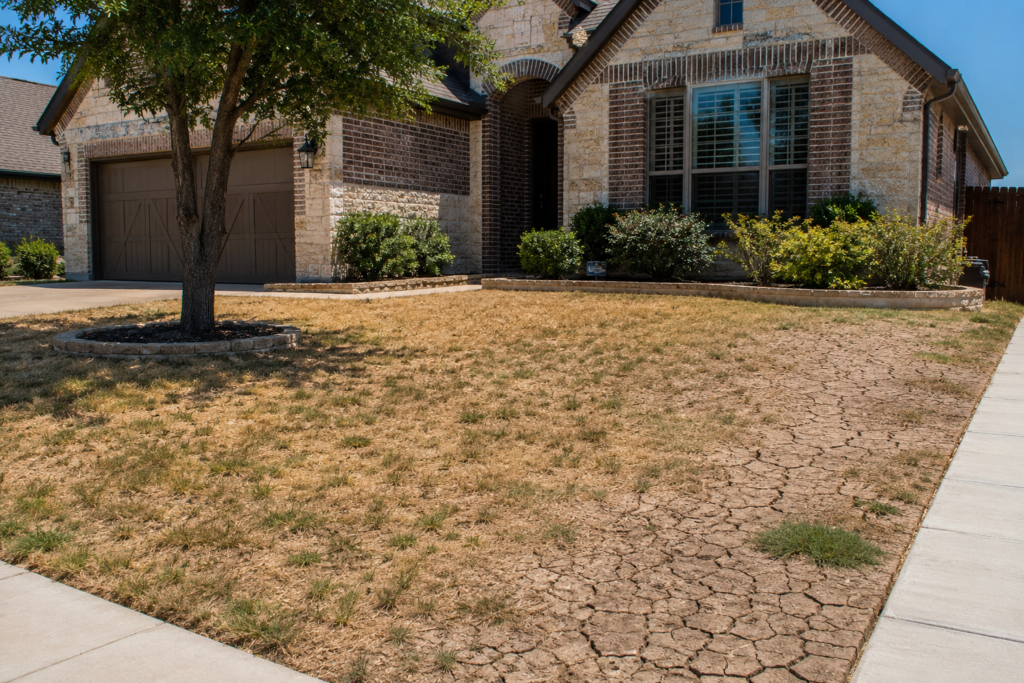
North Texas summers are known for long periods of intense heat and limited rainfall. While many homeowners focus on keeping their lawns alive, few realize that drought conditions can also have a significant impact on their home’s foundation.
Much of the Dallas–Fort Worth Metroplex sits on highly expansive clay soils. These soils naturally expand when they absorb moisture and shrink when they dry out. During prolonged summer droughts, moisture is pulled from the soil beneath and around your foundation, causing the ground to contract. As the soil shrinks unevenly, portions of the foundation may settle at different rates, leading to movement that can eventually cause structural concerns.
Why North Texas Foundations Are Especially Vulnerable
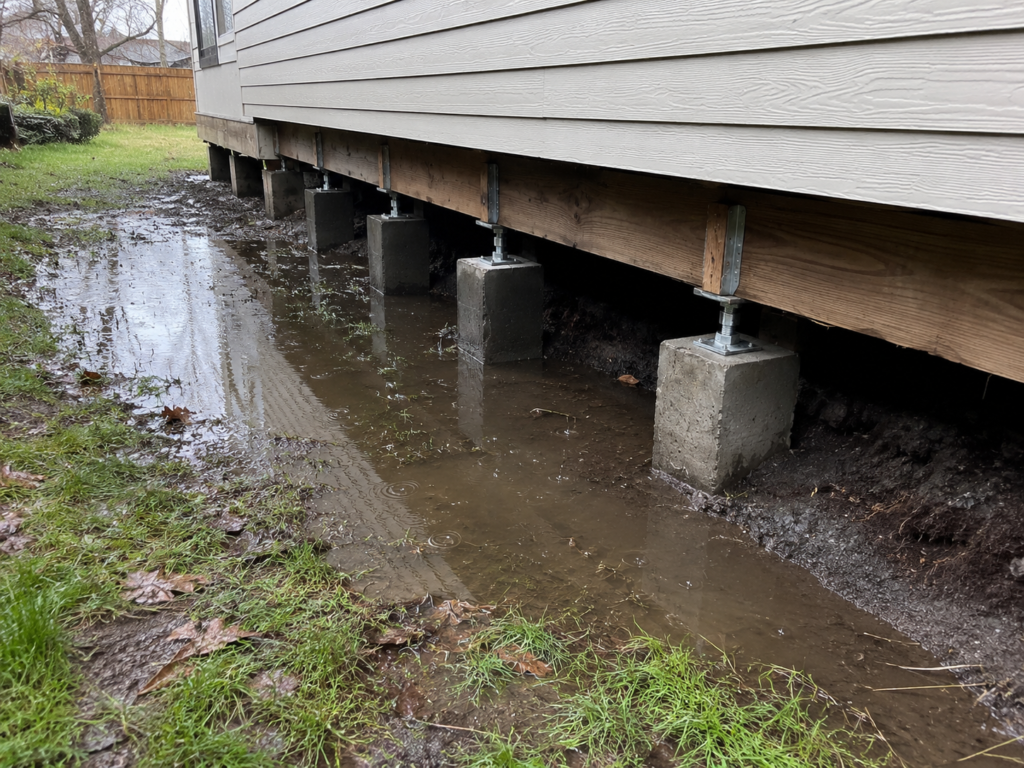
Unlike many parts of the country, North Texas experiences dramatic swings between wet and dry conditions throughout the year. These constant moisture fluctuations create repeated expansion and contraction of the soil.
Several factors can increase the likelihood of foundation movement during the summer:
- Extended periods without rainfall
- Temperatures exceeding 100°F
- Large trees drawing moisture from surrounding soil
- Poor drainage around the home
- Inconsistent lawn watering
- Improper grading around the foundation
The longer drought conditions continue, the greater the potential for soil shrinkage beneath portions of the foundation.
Common Signs of Summer Foundation Movement
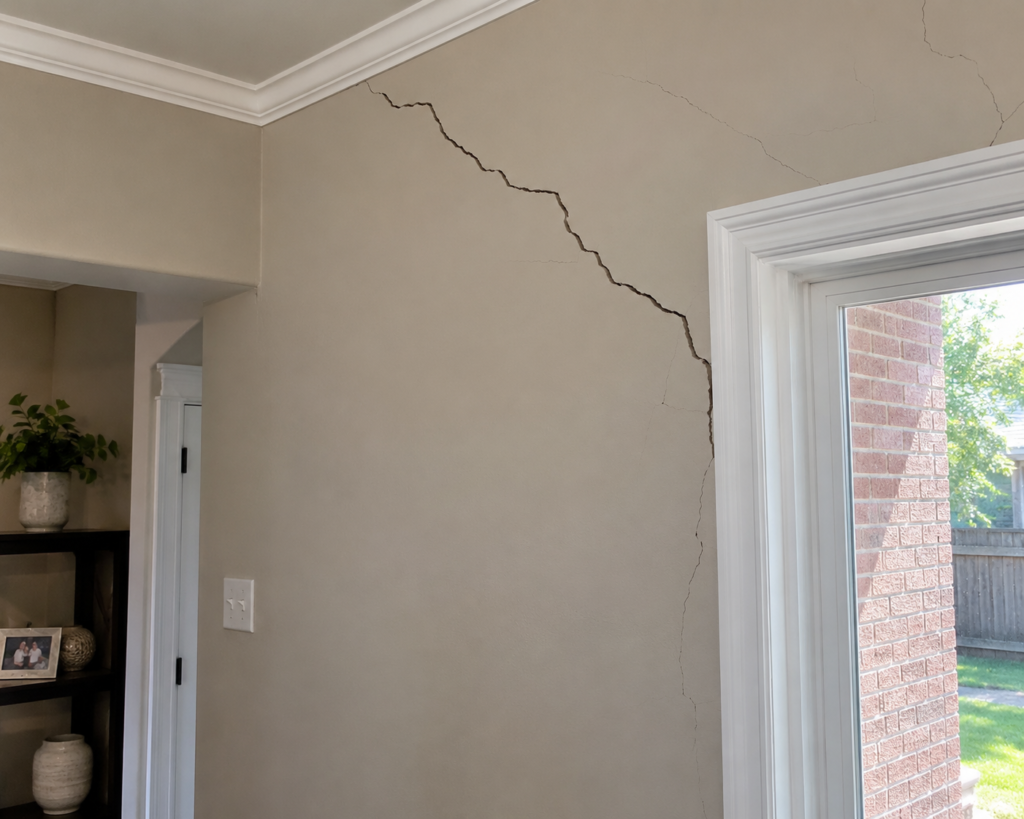
Watch for these warning signs during hot, dry weather:
- New cracks in drywall
- Stair-step cracks in exterior brick
- Doors that suddenly stick or won’t latch
- Windows that become difficult to open
- Gaps between walls and ceilings
- Uneven or sloping floors
- Cracks in tile flooring
- Separation around garage doors or trim
Many of these symptoms begin subtly before becoming more noticeable over time.
Can Proper Watering Help?
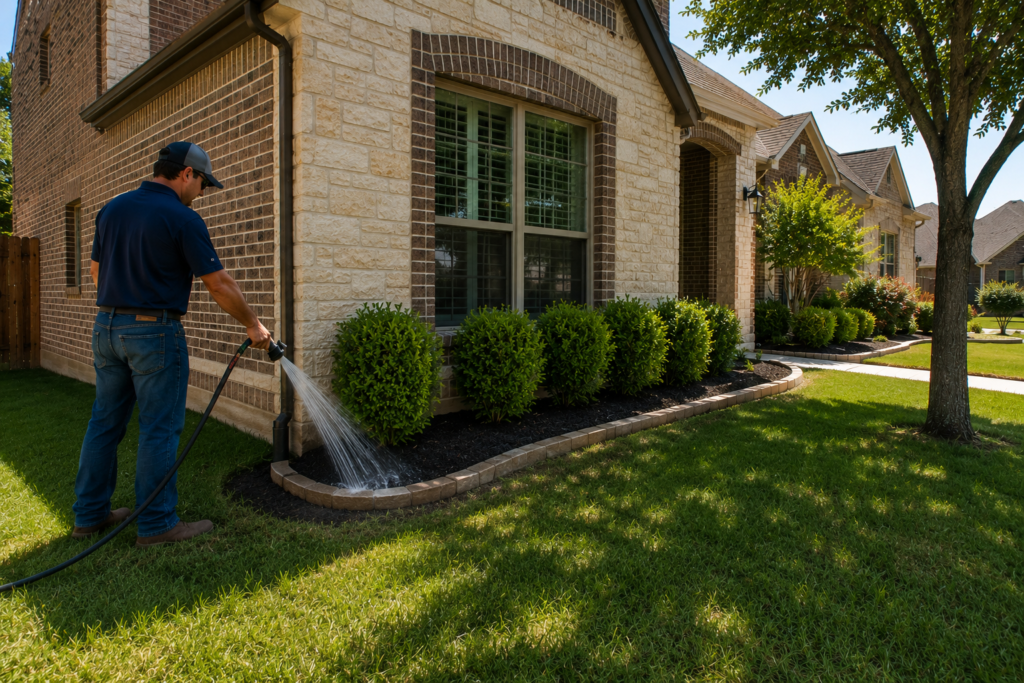
Maintaining consistent soil moisture around your home’s perimeter may help reduce seasonal soil movement. The goal is not to saturate the soil but to avoid dramatic moisture changes.
Homeowners should avoid:
- Overwatering one section of the foundation
- Allowing one side of the home to become extremely dry
- Directing roof runoff against the foundation
- Ignoring drainage problems after storms
A professionally designed foundation watering program can often help minimize seasonal movement, although watering alone cannot correct existing structural settlement.
When Should You Schedule a Foundation Inspection?
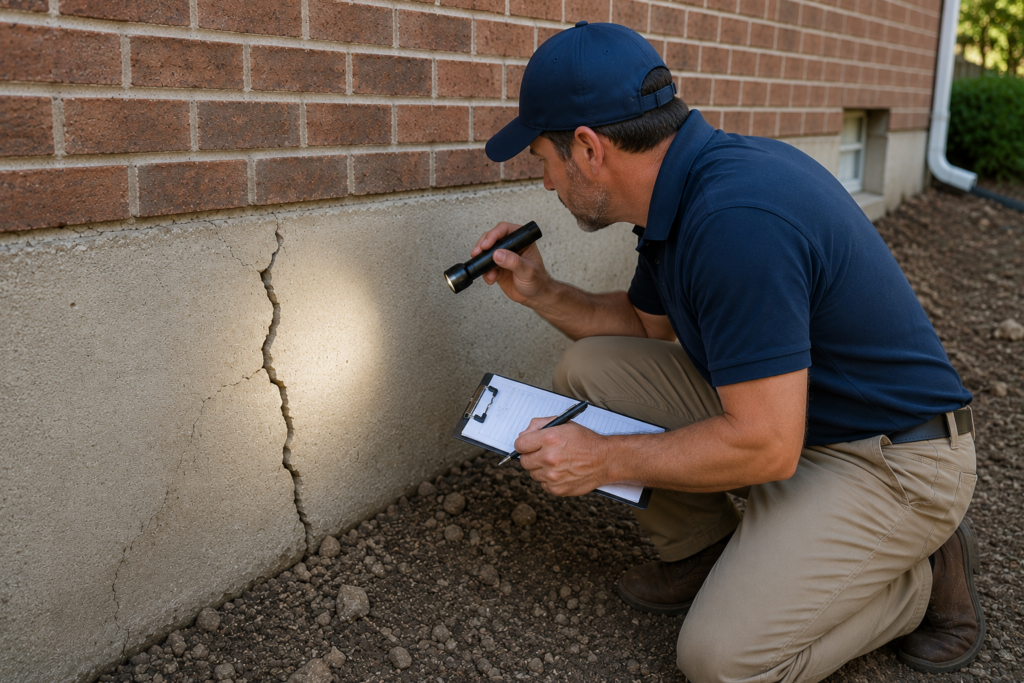
If you’ve noticed new cracks, sticking doors, or other changes during the summer, it’s a good time to schedule a professional inspection. Early evaluation can help determine whether movement is seasonal or whether repairs may be necessary before conditions worsen.
Many foundation issues can be addressed more effectively when identified early, before additional movement leads to larger repairs.
Protecting Your Investment
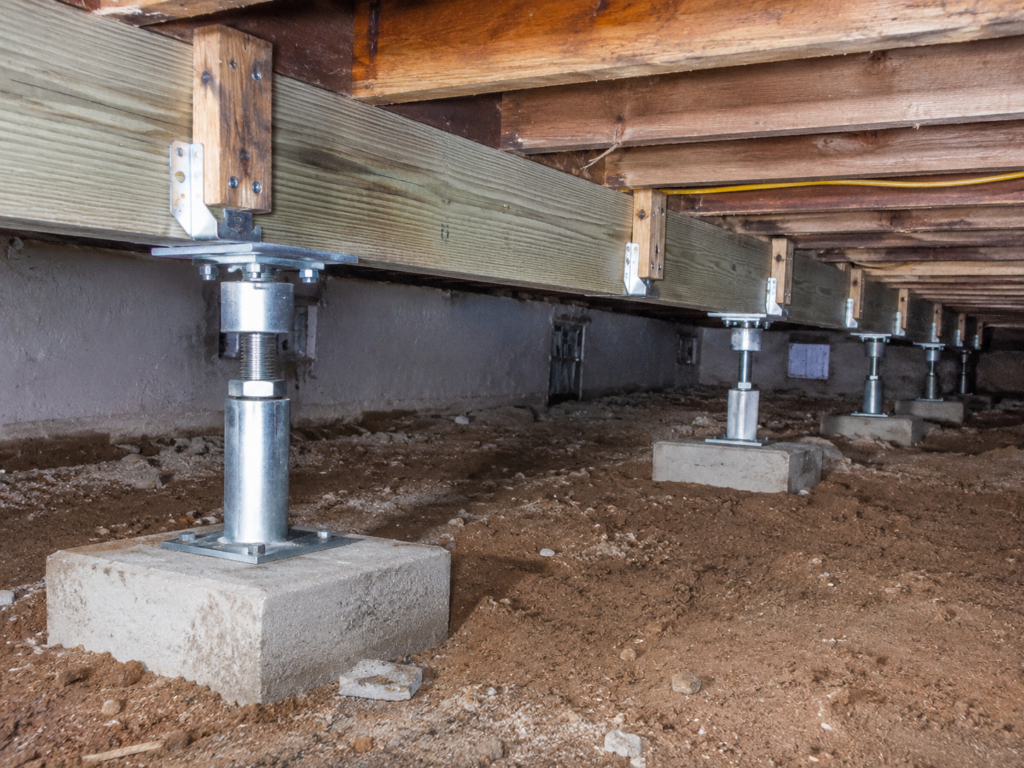
Your home’s foundation supports everything above it. Monitoring changes during periods of extreme heat and drought is one of the best ways to protect your property and avoid more extensive repairs later.
If you’re concerned about foundation movement during this summer’s dry conditions, DFW Foundation Repair Pros can connect you with experienced local foundation professionals serving homeowners throughout the Dallas–Fort Worth Metroplex. DFW Foundation Repair Pros | Compare Trusted Local Pros