
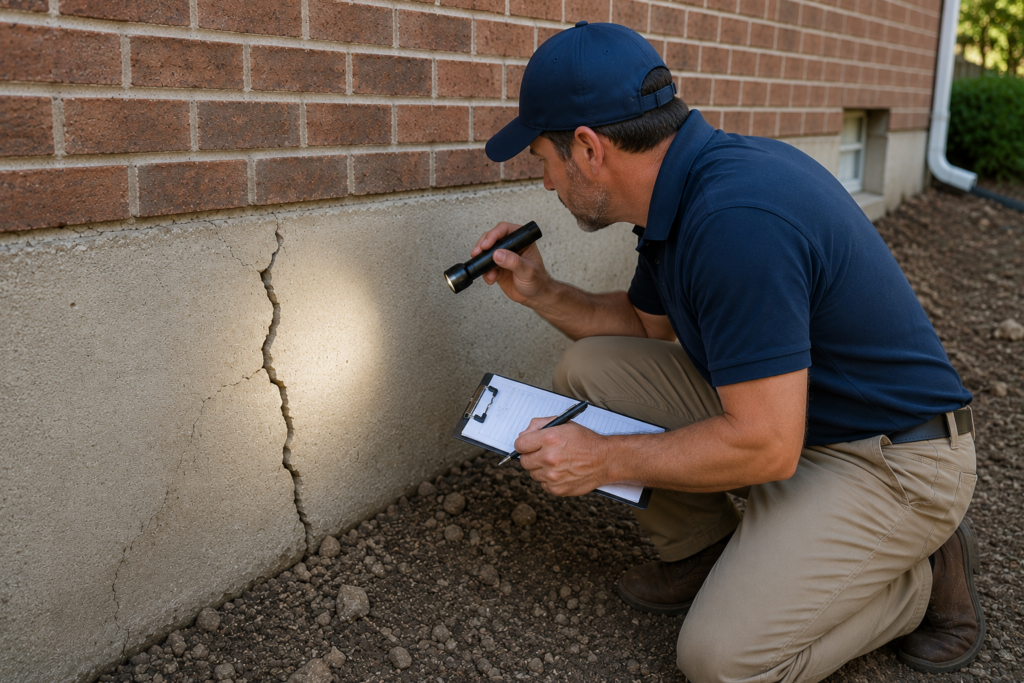
If you own a home in the Dallas–Fort Worth area, foundation issues are one of the most important structural concerns you may face. North Texas presents a unique combination of expansive clay soils, prolonged droughts, heavy rainfall, and extreme temperature swings that place constant stress on residential foundations.
Understanding the causes of foundation movement can help homeowners recognize early warning signs and potentially avoid more costly repairs.
Expansive Clay Soil
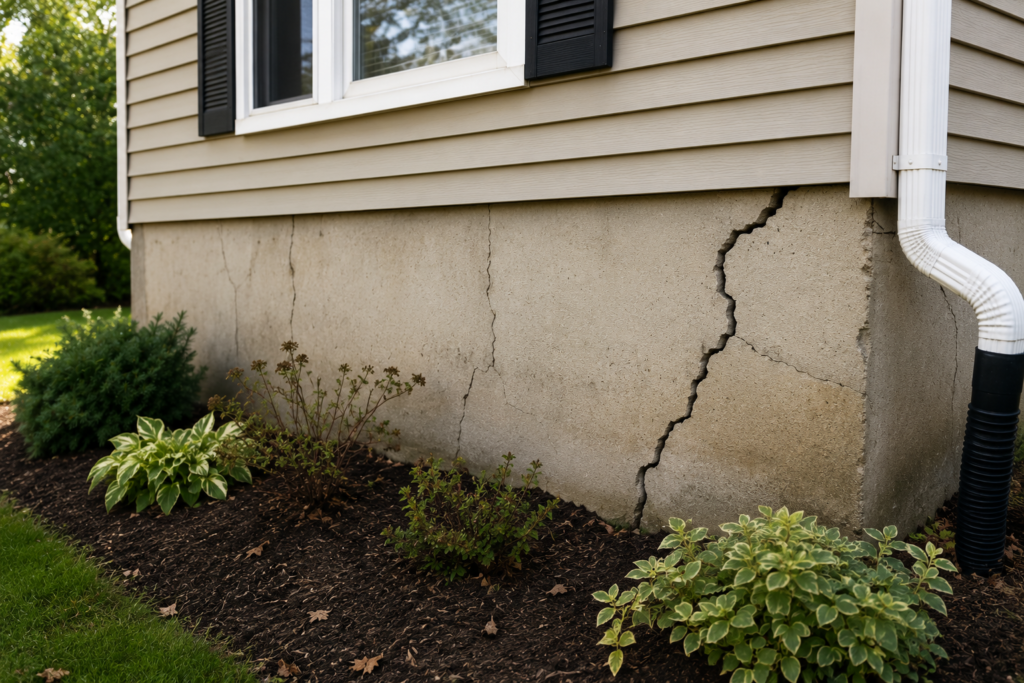
The leading cause of foundation problems in North Texas is expansive clay soil.
Clay expands significantly when it absorbs moisture and contracts when it dries out. This continuous movement creates uneven pressure beneath your home’s foundation.
During wet periods, soil swelling can push portions of the foundation upward.
During drought conditions, shrinking soil leaves voids beneath the slab, allowing portions of the foundation to settle.
This constant expansion and contraction can eventually cause foundation movement and structural damage.
Extreme Weather Changes
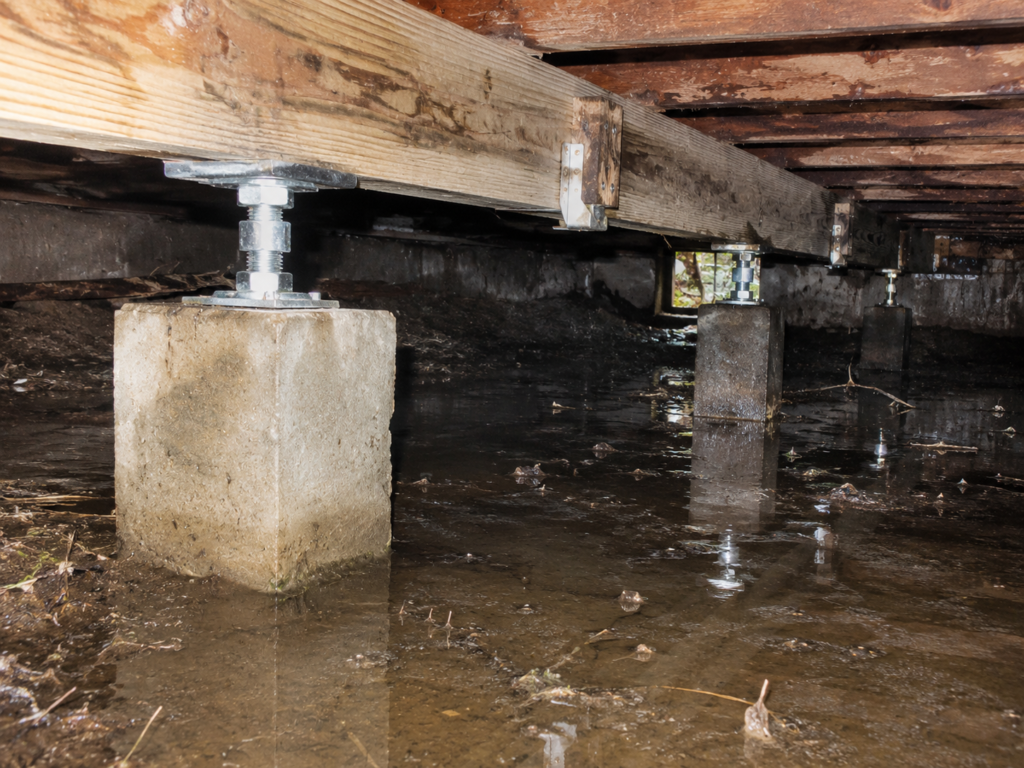
North Texas weather is notoriously unpredictable.
A period of heavy rain followed by weeks of intense heat creates dramatic moisture fluctuations beneath your home.
Rapid changes in soil moisture often cause:
- Foundation settling
- Interior wall cracks
- Exterior brick cracks
- Uneven floors
- Doors and windows that stick
Maintaining consistent soil moisture around your home can help reduce movement.
Poor Drainage
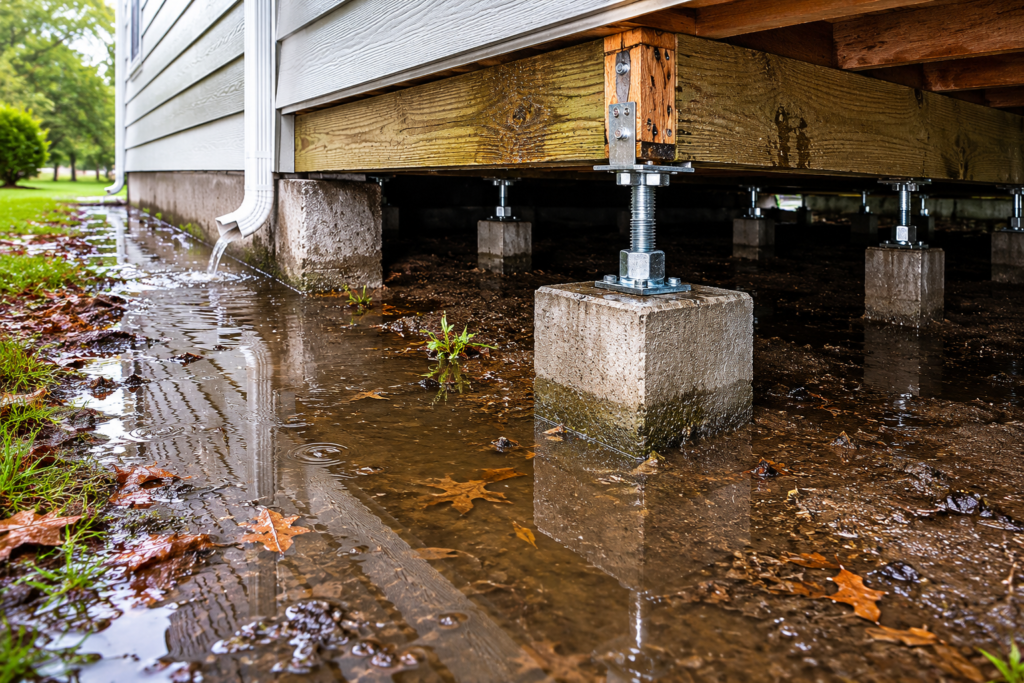
Improper drainage is another major contributor to foundation damage.
Common drainage problems include:
- Clogged gutters
- Short downspouts
- Poor grading
- Standing water near the foundation
- Broken underground drains
Water collecting beside the foundation can oversaturate portions of the soil while other areas remain dry, creating uneven foundation movement.
Plumbing Leaks
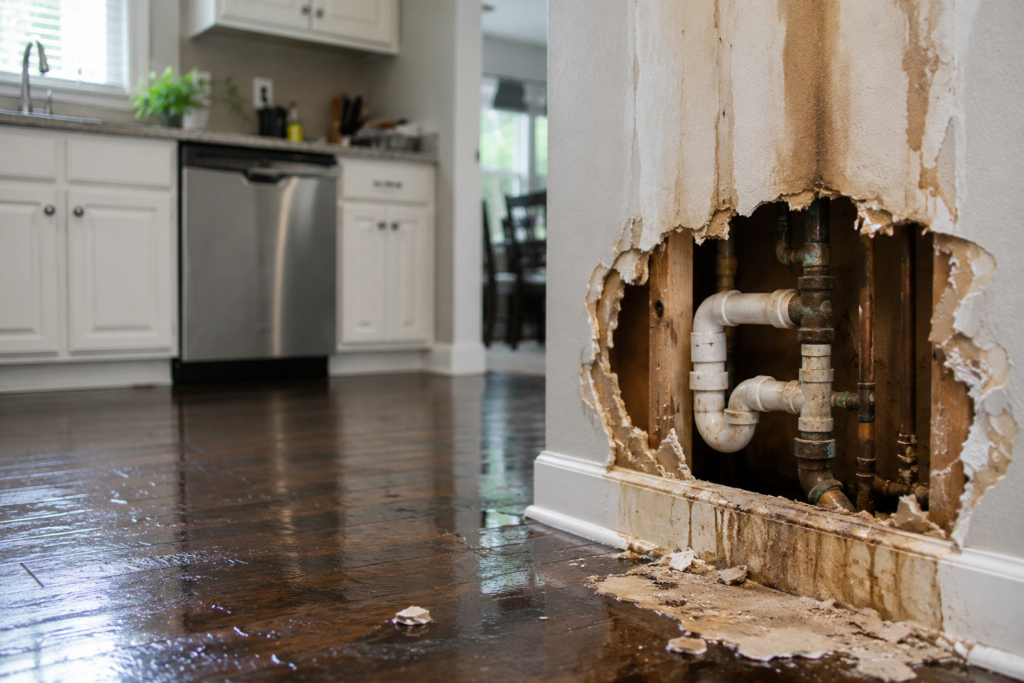
Underground plumbing leaks often go unnoticed until foundation movement begins.
A leaking water line beneath your slab can soften the supporting soil, leading to localized settlement.
Signs may include:
- Unexpected increases in water bills
- Warm spots on the floor
- Persistent damp soil
- New foundation cracks
Prompt leak detection can prevent further structural damage.
Tree Roots
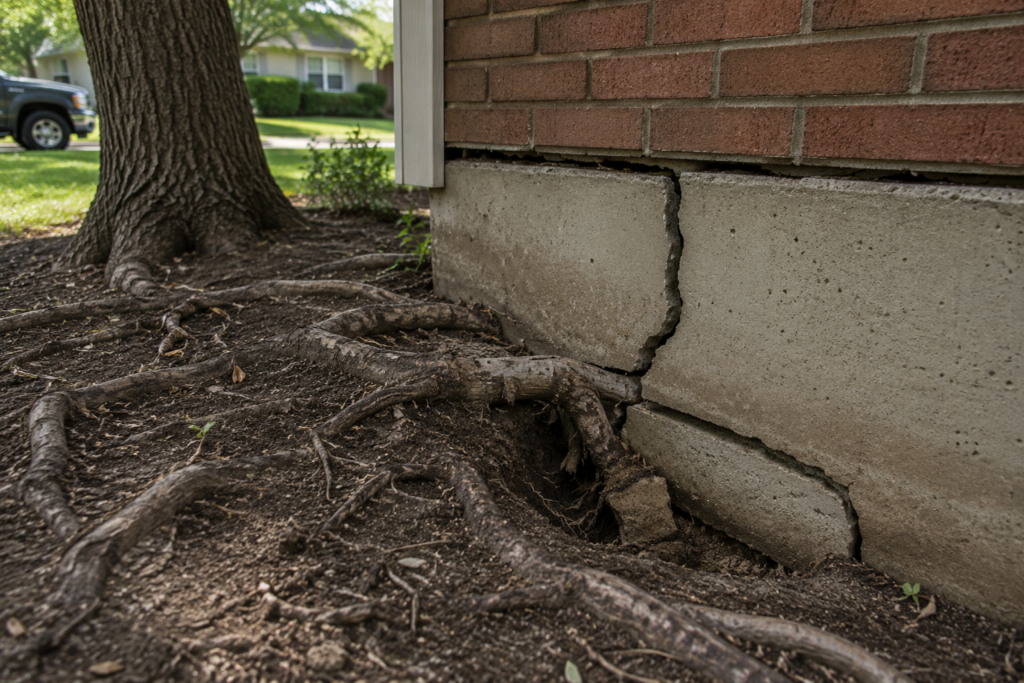
Large trees are beautiful additions to your property, but their roots consume significant amounts of moisture.
During dry weather, roots can remove water from the soil beneath portions of your foundation, causing uneven settlement.
Proper tree placement and irrigation management can help minimize this risk.
Inadequate Site Preparation
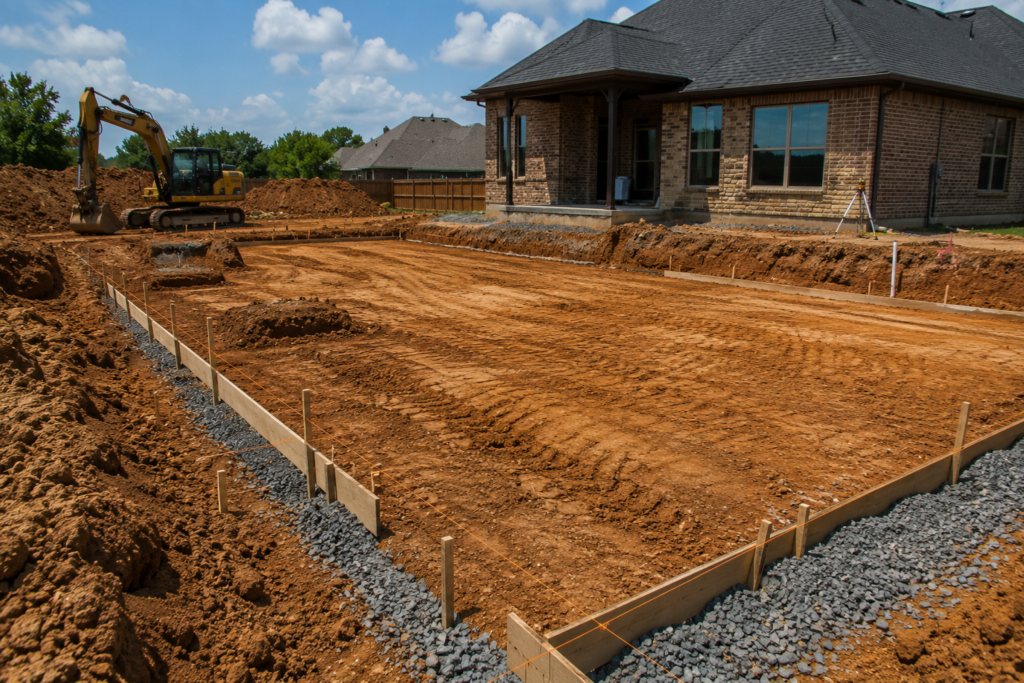
Some homes experience foundation movement because the soil beneath the foundation was not properly compacted during construction.
Poor soil preparation may eventually lead to:
- Differential settlement
- Sloping floors
- Foundation cracks
- Exterior masonry movement
Even newer homes can experience these issues under certain conditions.
Signs Your Foundation May Need Inspection
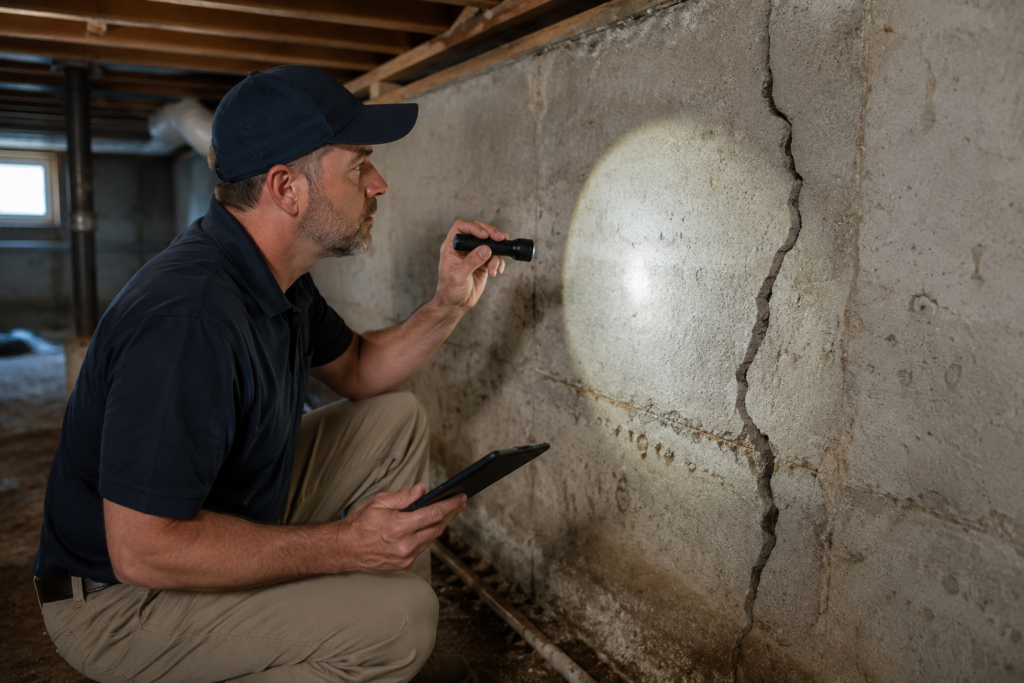
Watch for these common warning signs:
- Cracks in drywall
- Cracks in brick or masonry
- Doors that no longer latch properly
- Windows that stick
- Uneven or sloping floors
- Gaps around trim
- Cracks in tile flooring
- Separation around garage doors
These symptoms don’t always indicate major structural damage, but they should be evaluated by a qualified professional.
What Should You Do If You Notice Foundation Movement?
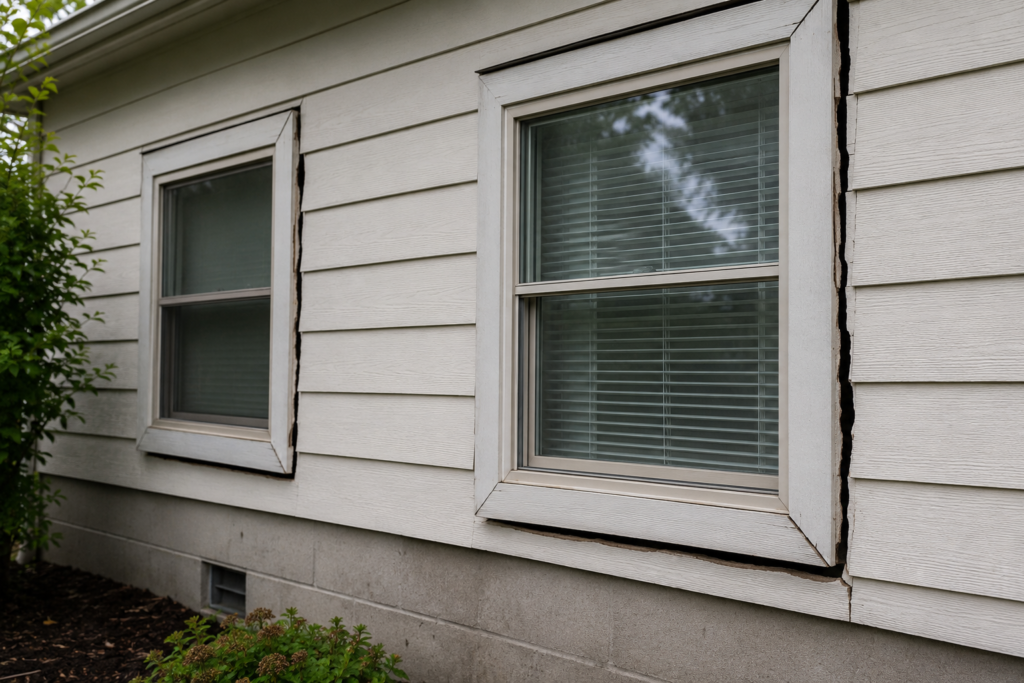
Begin by documenting visible cracks, drainage conditions, and changes around the home. Avoid assuming that every crack requires major repair.
A qualified local foundation professional can evaluate the structure, identify possible contributing conditions, and explain whether monitoring, drainage improvements, plumbing repairs, soil stabilization, or foundation repair should be considered.