
Surface Drains
Protect Your Home From Water Damage
Surface drains are an effective way to capture rainwater and redirect it away from your home’s foundation, helping prevent water intrusion, soil erosion, and costly foundation problems.
Compare options from local drainage repair professionals serving the DFW area.
How do I know if I need surface drain repair or installation?
You may need surface drains if water regularly pools around your home, collects in low spots, runs across walkways or patios, or remains near the foundation after rainfall. Surface drains can help capture and redirect excess water before it contributes to drainage issues, soil erosion, or foundation movement.
Signs You May Need Surface Drains
Water pooling around your foundation
Damp or wet basement or crawl space
Erosion or washed-out soil near your home
Musty odors or excess moisture
Foundation cracks or movement
Downspouts discharge near the foundation
Why Surface Drains Matter
When rainwater isn’t properly diverted away from your home, it can seep into the soil surrounding your foundation. Over time, this can lead to foundation settlement, cracks, mold, and structural damage.
Surface Drains capture and channel water away from vulnerable areas, keeping your foundation safer and your property drier.
- Protects your foundation
- Reduces water intrusion
- Helps prevent soil erosion
- Improves drainage and property value
- Works with gutters and downspouts
Areas Served
Surface drains are drainage systems designed to collect excess water from the ground surface and redirect it away from your home. They help prevent standing water, soil erosion, and moisture buildup around your foundation.
Surface drains help control water around your home by capturing runoff before it can saturate the soil near the foundation. By maintaining more consistent moisture levels, they can help reduce soil movement that contributes to settlement and foundation damage.
Surface drains are commonly installed in low spots, along driveways, patios, walkways, landscaping beds, and other areas where water tends to collect. They may also be placed near foundations to help direct water away from the home.
Yes. Surface drains should be inspected periodically and kept free of leaves, mulch, dirt, and other debris that can restrict water flow. Routine maintenance helps ensure the system continues to perform effectively during heavy rainfall.
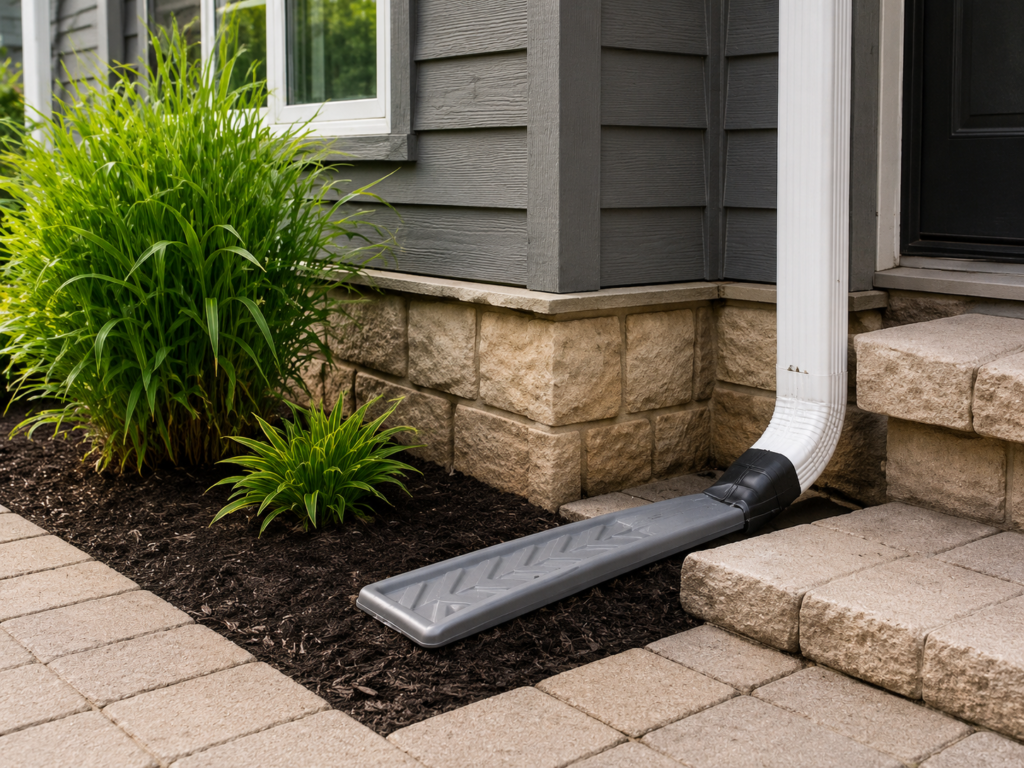
Proper drainage is one of the best ways to protect your home from expansive foundation repairs. A professional can recommend the right surface drain system for your property.
Understanding and Installing Drainage Systems – Texas A&M AgriLife Extension Service